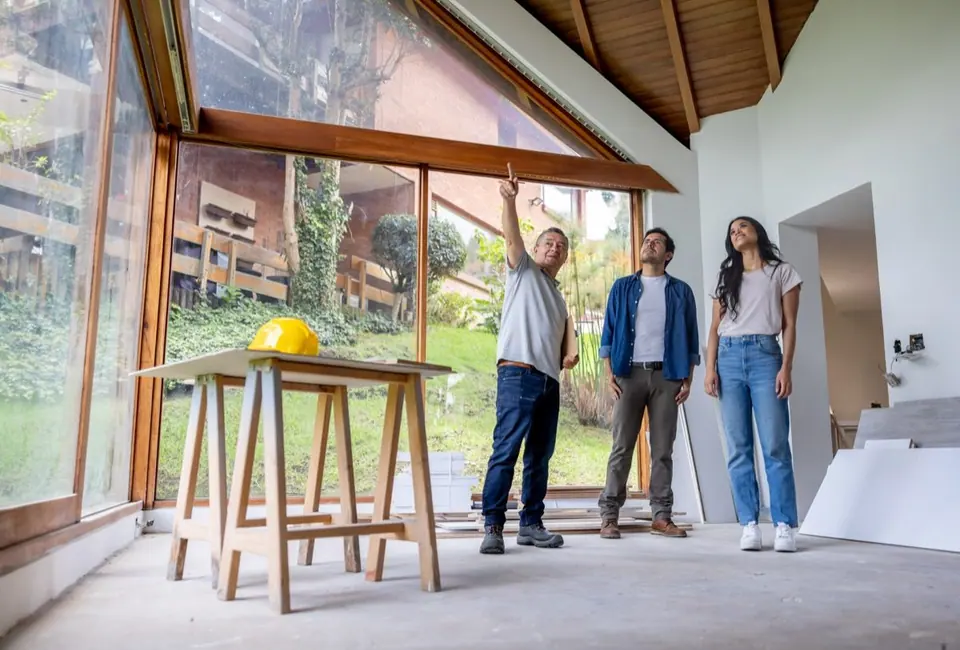
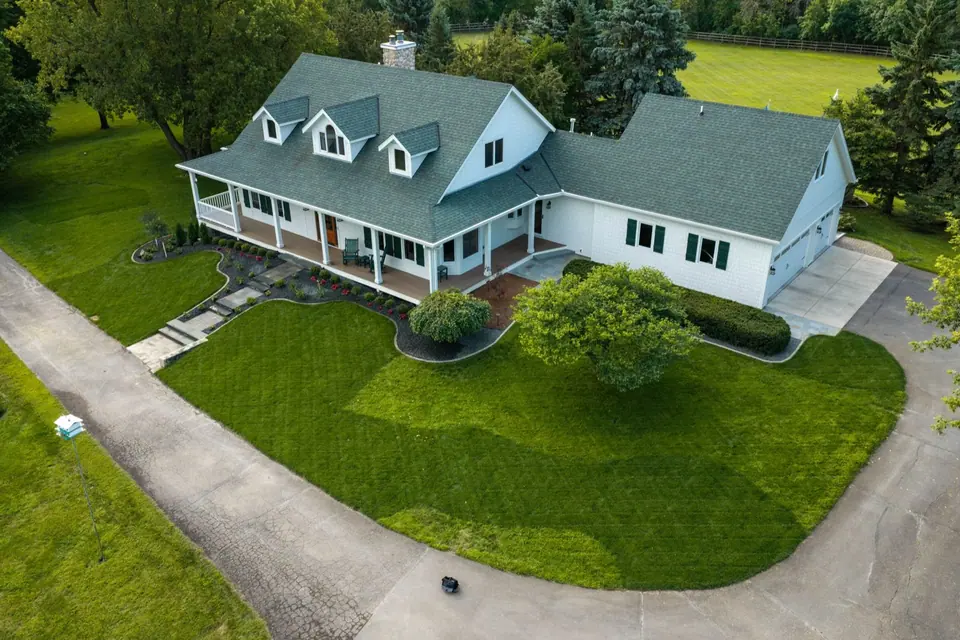
Your best ad is a real before and after from a job you already finished. Thirty seconds is plenty, and it only takes four moves. Open on the before shot with a few words, show the transformation, end on the finished space, then say the next step out loud and put it on screen.
 0:38Watch the videoThe 30-Second Direct Selling Video: Before and After Ad
Why it works
Most contractor ads describe. "Quality craftsmanship." "Transforming homes." Those words slide right past people.
A before and after shows. A dated kitchen, then a finished one. A bare backyard, then a deck with furniture on it. The viewer doesn't have to imagine what you do. They see it, and they picture their own place.
That's why this one is called a direct selling video. It doesn't warm people up with a story. It shows the result and asks for the next step.
The four moves
1. Open on the before shot, with a few words over it
Start with the "before." The old kitchen, the cracked patio, the worn deck. Put a few words of text on top, like "Dated kitchen in [Town]." Keep it short enough to read in a glance.
The first seconds decide whether someone keeps watching, so make them clear. Name the place and what's about to change.
2. Show the transformation, with one or two words on screen
Now show the work. A quick sequence of the project in progress. Demo, framing, install, finishing. Keep the text to one or two words, like "Demo," "New cabinets" or "Framing." The picture does the talking.
You don't need fancy edits. Clean cuts and good light are enough. Use shots your crew already takes.
3. End on the finished space
Finish with the best shot of the completed project. Real, unedited, from a job of yours. Hold it long enough for the viewer to take it in.
Don't use stock footage or someone else's work. Buyers and the ad platforms both respond better to the real thing, and it's the honest way to do it.
4. Say the next step out loud and put it on screen
Tell them what to do. "Tap to book a call." "Send us a message for a free estimate." "Book your design consult." Say it in your voice and show it as text, so it works with sound off.
One next step. Not three.
Follow the rules of the road
A few cautions, because this kind of video is powerful and worth doing right.
- Use real, unedited before and after shots from actual work. Don't touch up the after in ways that change what you built.
- Don't imply every project turns out this way. Every job is different, and a single great result isn't a promise. Keep the language plain, like "A recent kitchen in [Town]."
- Get the homeowner's OK to show the home. Ask before you shoot, and get it in writing if you can.
As of November 2026, Meta's advertising policies also limit certain kinds of before-and-after claims, mostly around health and body topics, so check the current rules before you publish anything that goes beyond a home project.
Use it to retarget
This video isn't only for cold audiences. It also works well for people who've already seen your site. Someone who browsed your kitchen page and left can see the finished kitchen in their feed a few days later. That's a gentle reminder that you do this work and you're ready when they are.
Pair it with a simple retargeting audience of site visitors, and set a time window so it fades out when it's no longer useful.
A worked example
Say you build decks. You've got a recent project with photos from the first visit, a few from the build and a clean finish shot at golden hour. The homeowner is happy and has said you can use the photos.
You cut a thirty second video. It opens on the old, weathered deck, with text over it that says "Worn deck in [Town]." The next several seconds are the build in quick cuts, each with one or two words. It ends on the finished deck with the family's outdoor furniture in place. A voice says, "Thinking about a deck? Book a free design consult," while the same words show on screen with a button.
You use the video as a Meta ad and as a retargeting ad for your site visitors. You track the leads from it through to design consults and signed builds.
Shoot with this in mind
You don't need a film crew. A phone and a habit work.
- Take a before shot from the same angle you'll use for the after.
- Capture a few short clips during the work, like demo and key steps.
- Take your after shots when the space is clean and the light is good.
- Keep clips steady and horizontal or vertical, whichever your ad needs. We export every video in square, vertical, wide and 4:5 shapes, so shoot with some room around the subject.
Make it a rule on every job. Before, during, after. Over a year you'll have a library of videos waiting to be cut.
The mistake to avoid
The mistake is overproducing. A slick video with music and effects and no real project in it isn't what sells. The viewer wants to see work they'd want in their own home.
The second mistake is cramming in too many messages. Four moves. One next step. If you try to say everything, you'll say nothing.
Monday morning checklist
- Pick your best finished project from the last year.
- Gather the before, during and after photos or clips.
- Ask the homeowner for permission to use them.
- Write the few words that go over the before shot and the one next step.
- Cut it to around thirty seconds with the four moves.
- Plan how you'll use it for retargeting site visitors.
Got a project worth showing?
Book a $99 audit call with me. I'll look at what's working and show you what I'd do to grow profitably. It's one live call with your top three fixes.
Questions people ask
What is a direct selling video?
It's a short video that shows a real before and after from one of your finished projects and tells the viewer the next step. It sells by showing the work, not by describing it.
How long should the video be?
Around thirty seconds is plenty. It only takes four moves, so there's no need to stretch it.
Do I need to use real footage?
Yes. Use real, unedited before and after shots from a project you actually did. Don't imply every project turns out exactly this way, and get the homeowner's OK to show the home.
What text should be on screen?
A few words over the before shot, and one or two words during the transformation. Then show the next step on screen as well as saying it.
Who should see this video?
People in your area who might hire you, and especially people who have already visited your site. It works well as a retargeting video too.

Rob built Feedbackwrench and Nuance Financial Tax & Accounting. Since 2015, our team has helped transform 550+ small businesses with marketing, strategy and systems.