You post a tax tip, and your aunt gives it a like. That's about it. Social feeds are built for candy, and sales content is broccoli. It's good for you, but nobody shares it. So stop judging it by likes, and put it where you control who sees it, in ads, on your website, in email and in direct outreach.
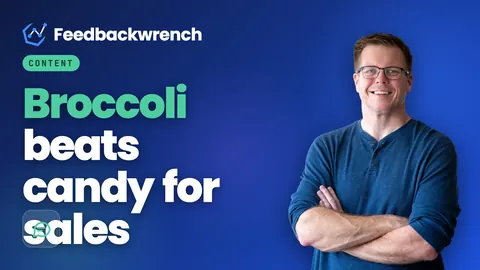 1:38Watch the videoSales Content vs Engagement Content: Where Each Belongs
What candy and broccoli mean
Candy is fun and easy to share. It's the kind of content a feed is built to serve up. Funny clips, quick tips, a good story. People like it and pass it on.
Broccoli is a message like "Are you overpaying in taxes?" It's good for you. It's also the thing that actually makes someone call. But it isn't fun, so nobody shares it, and a feed has no reason to push it.
Here's the part that surprises people. Your ideal client is watching truck videos at 8 at night. They aren't scrolling through feeds hoping for an accountant. So when you post a sales message into a feed built for entertainment, you're asking it to do something it was never built to do.
Stop measuring sales content by likes
If you judge a sales message by likes, it'll always look like it's failing. That's the wrong yardstick.
Judge it by two things. Who it reached, and who called.
A tax message that three people liked but that reached the right owners through an ad may be doing more for your pipeline than a viral clip. Likes tell you about entertainment. Calls tell you about sales.
Where sales content belongs
Put it where you pick the audience, not the feed.
- Paid ads. You choose who sees it, instead of hoping the feed does.
- Your website. People who are already looking will read it.
- Email. The people who know you will actually open it.
- Direct outreach. You reach one person at a time.
In every one of those places, the person seeing the message is far more likely to care. That's what makes the broccoli work.
Engagement content still has a job
I'm not saying skip it. Engagement content builds awareness, warms up relationships, feeds your ads with material, and helps you recruit. People who see your fun posts feel like they know you, and that helps later.
It just shouldn't come first, and it shouldn't be the whole plan.
The order I'd build things in
Here's the sequence I recommend.
- Build your inbound setup. That's your website, your Google profile and your ads. This is where people who are already looking find you.
- Go find clients yourself with outbound prospecting. One real conversation at a time. It's slower but it works, and it gives you real feedback on your message.
- Build search and authority content. Articles, answers and videos that help you get found and trusted.
- Do organic social last. It's the easiest to do and the slowest to pay.
Most people do it in the opposite order, because social is easy and it feels like progress. But easy and slow is a bad trade when you need clients.
A quick example
This is an illustration only. An accountant posts a tax tip every week for three months. It gets a handful of likes from friends and family, and no calls. Nothing wrong with the tips. They just went to the wrong place.
Suppose the same accountant put the same message, "Are you overpaying in taxes?", in front of local business owners in a paid ad, linked to a page with a clear next step. Now the people seeing it are the people who might hire. The measure isn't likes, it's booked calls.
Same message. Different home.
What your sales message should sound like
A sales message names a real problem the reader has and hints at a way out. It doesn't need to be clever. It needs to be clear.
- "Are you overpaying in taxes?" is a sales message.
- "Is your contractor hard to reach?" is a sales message.
- "Is your bookkeeper always behind?" is a sales message.
Each one is a question a real owner has asked themselves. It won't go viral, but it'll make the right person stop. That's the whole job.
How to use engagement content well
When you do post for engagement, give it a purpose.
- Show your face and your team, so strangers feel like they know you.
- Share a project or a behind the scenes moment that you can reuse in ads.
- Post a hiring message when you need people, since your followers may know someone.
- Tell a short story that shows how you think.
Keep it light and don't expect it to pay the bills. Think of it as the thing that warms up everything else. A prospect who clicks your ad and then sees a friendly, active profile is more likely to take the next step.
What to track instead of likes
Likes are an easy number to look at, but they don't tell you about sales. Track these.
- How many people your sales message reached, especially in a paid ad.
- How many clicked through to your site.
- How many booked a call.
- Where each booked call came from.
If you know those four numbers, you know what's working. And you stop feeling bad about a post that only your aunt liked.
The mistake to avoid
The biggest mistake is posting for months and deciding marketing doesn't work. What didn't work was the channel for that kind of message.
The second mistake is trying to make sales content entertaining enough to go viral. Most business owners can't compete with entertainers, and they shouldn't try. Your goal isn't to be famous. It's to be found by the right people.
The third mistake is dropping engagement content entirely. A little of it helps your sales content land, because people who've seen you already feel like they know you.
Your Monday morning list
- Look at what you've posted in the last month. How much was sales content, and how much engagement?
- Write down your main sales message in one sentence.
- Put that sentence in one new place where you choose the audience, such as an ad, your homepage or an email.
- Track calls, not likes.
- Move organic social to the bottom of your list until the first three are in place.
If you're posting a lot and nobody's calling, book the $99 audit call with me at https://www.feedbackwrench.com/book. I'll tell you where your sales content belongs and what to do first. You walk away with a scored one page audit and your top three fixes.
Questions people ask
What is the difference between sales content and engagement content?
"Engagement content is fun and easy to share, which is what social feeds are built to serve. Sales content is a message like are you overpaying in taxes. It's good for you, but nobody shares it, so it needs to go where you control who sees it."
Why does my business content get so few likes?
"Your ideal client is probably watching truck videos at 8 at night, not looking for an accountant. Feeds reward entertainment, so sales messages rarely get likes even when they work."
Where should sales content go?
"Put it in paid ads, on your website, in email and in direct outreach. In each of those places you or your audience chooses who sees it, instead of hoping a feed does."
Is engagement content useless?
"No. It builds awareness, warms up relationships, feeds your ads and helps you recruit. It just shouldn't come first and it shouldn't be the whole plan."
In what order should I build my marketing?
"First your inbound setup, which is your website, Google profile and ads. Second, outbound prospecting. Third, search and authority content. Organic social comes last because it's the easiest to do and the slowest to pay."

Rob built Feedbackwrench and Nuance Financial Tax & Accounting. Since 2015, our team has helped transform 550+ small businesses with marketing, strategy and systems.