If most of your quotes go to whoever's lowest, the problem usually isn't your price. It's that a stranger can't see why you're worth more. Clear message, real proof and consistent follow-up make you the obvious choice, and then the question changes from "how much" to "are you available."
 1:12Watch the videoThe Price Shopper Trap: Become the Obvious Choice
Be honest about this month
How many quotes this month went to whoever was lowest? Count them. I mean it. Write the number down.
You do good work. Your customers know that after the job. But the person comparing three quotes on a Tuesday night hasn't met you yet. All they can see is three lines of numbers. So they pick the smallest one.
Why price becomes the only thing left
When nothing makes you the obvious choice, price is the only thing left to compare. And somebody is always cheaper than you. There's always a guy with a pickup and no insurance, or a company that's hungry for work this month.
Three things usually push an owner into the price fight.
- Your message sounds like every other company in town. "Quality work at fair prices" is on everybody's site.
- Your site is stock photos and a list of services, with no proof. No faces, no real projects, no reviews that tell a story.
- A quote goes out, then silence. Nobody follows up, so the buyer decides with whatever's top of mind, which is usually the guy who called back.
Right now, a stranger can't tell why you're worth more. That's the whole problem. It's fixable.
Step 1: Say one clear thing about who you help
Pick the customer you want more of. Say who they are and what you do for them in one plain sentence. Not "full service." Something a person gets in five seconds, like who it's for and what they get.
If you can't do that yet, don't build another page. Fix the sentence first.
Step 2: Put your real proof where the quote lives
Proof is the thing that makes a higher number feel safe. Gather what you already have.
- Google reviews that mention the job, the crew and the result.
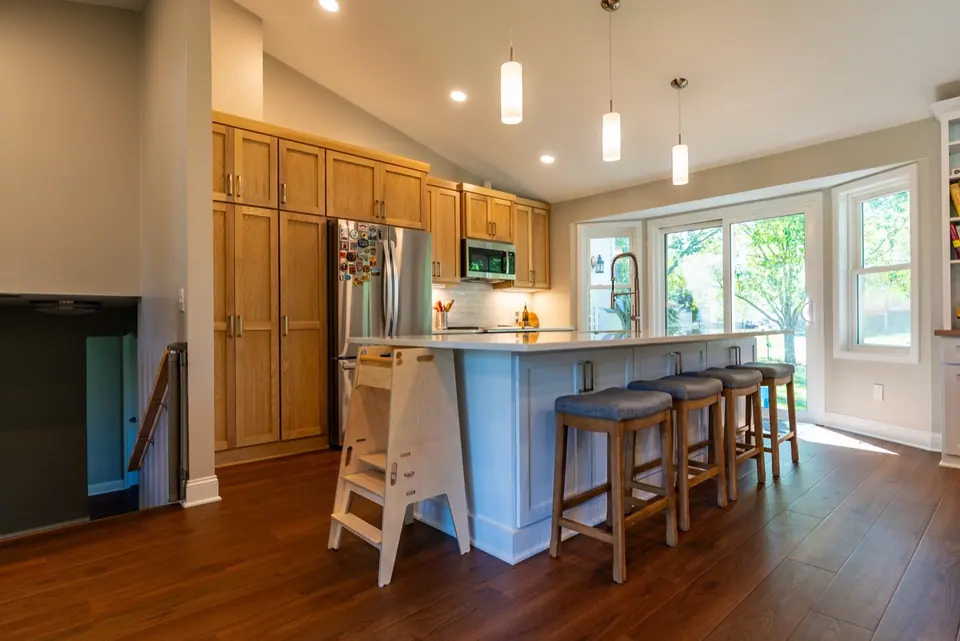
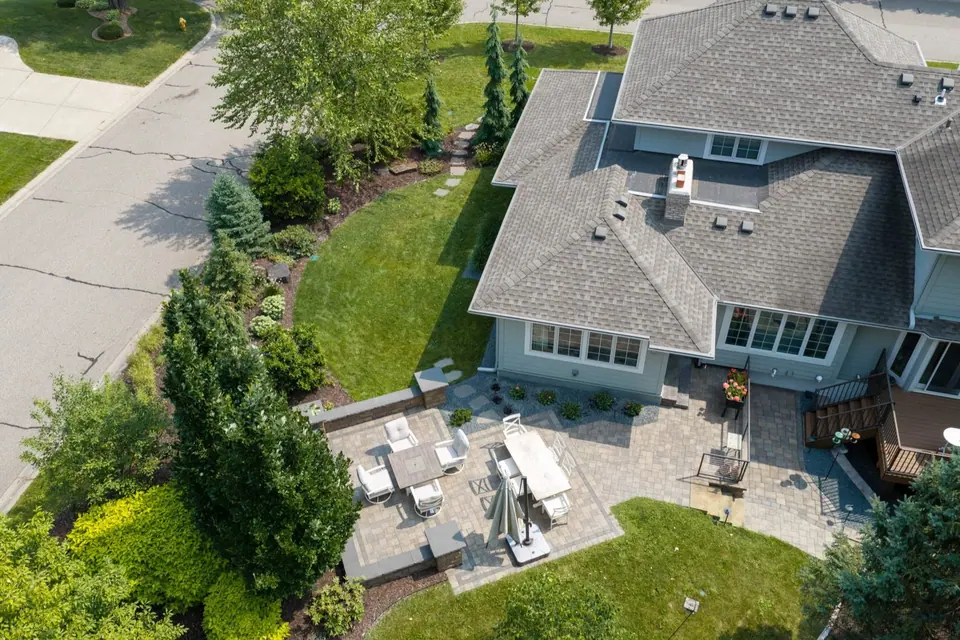
- Before and after photos of your own projects, not stock.
- A short video of you or your crew explaining how you work.
- A project page for a few jobs that look like the ones you want more of.
Put the best of it on your site, on your Google profile, and in the quote email itself. A link to a project that looks like theirs does more than a paragraph about quality.
Step 3: Follow up on every quote
A quote with no follow-up is a coin flip. This simple routine can start Monday.
- Send the quote the same day you walk the job.
- Text or call a day or two later and ask one question, like "Did the scope make sense?"
- Send a short follow-up with a project that looks like theirs a few days after that.
- Check in once more after about a week or two. Then stop.
Follow-up isn't pestering. It's being the one who's still in the conversation. If you're on a roof half the day, set up your system to send the texts and emails for you.
Step 4: Know which jobs actually paid
Chasing every lead keeps you stuck. Track each lead from the first call to the paid invoice. When you see which sources and which kinds of jobs produce paid work, you can lean toward them. The rest you can price higher or pass on.
A Monday morning example
Say you build decks. Last month you sent a lot of quotes and won the cheap ones.
Monday looks like this. You write one sentence about the people you want, like homeowners who want a deck that looks great for years. You pull your five best reviews and three project photos and drop them on one page. You add a link to that page in your quote email. And you set a text to go out three days after each quote.
That's about half a day. None of it requires a new logo.
The mistake to avoid
The biggest mistake is dropping your price to win the next one. You just trained that customer, and the next one, that you're the cheap option. Then you need more jobs to make the same money, and you're tired.
The second mistake is making the proof about you, not them. "We've been in business for years" doesn't help a nervous buyer. A real photo of a job that looks like theirs does.
What changes when it works
Now they've seen your work and your reviews before they ever ask what it costs. So you can stop haggling and start choosing the jobs you want. The first question changes. They ask if you're available. Not how much.
You're not the lowest bid. You're the obvious choice.
Want me to look at yours?
Book a $99 audit call with me. It's one live call. I'll dig into your situation, see what's working, and show you what I'd do to make you the obvious choice. You'll leave with a scored one page audit and your top three fixes, in order. If nothing's broken, I'll tell you. Book the $99 audit call and let's look at your quotes together.
Questions people ask
Why do customers keep choosing the cheapest contractor?
When nothing makes you the obvious choice, price is the only thing left to compare. If your message, proof and follow-up look the same as everyone else's, a stranger can't tell why you're worth more.
How do I stop competing on price?
Get your message clear, show real proof like reviews and project photos, and follow up on every quote. When buyers see your work before they ask what it costs, they ask if you're available instead of how much.
Is lowering my prices the answer to price shoppers?
Rarely. Somebody is always cheaper than you, so you can't win that race. Your best move is to make the difference visible so the price isn't the only thing on the table.
Does follow-up really affect which quote wins?
Yes. A quote goes out and then silence is one of the most common reasons good companies lose. A simple, consistent follow-up keeps you in the conversation while the buyer decides.
How do I know which jobs are worth chasing?
Track each lead to the paid invoice. When you can see which jobs actually paid, you can choose more of the work you want and stop chasing the rest.

Rob built Feedbackwrench and Nuance Financial Tax & Accounting. Since 2015, our team has helped transform 550+ small businesses with marketing, strategy and systems.